First harvest release · Winter 2026/27 · Join the list for 10% off your first order
Est. 2026 · Yemen · Kenya · Uganda

Good coffee, honest honey, and the receipt to prove it.

One harvest each from the terraces of Haraz, the slopes of Mount Kenya and Mount Elgon, and Sidr honey from the wadis of Hadramaut. Bought direct from the families who grow it, roasted in California, and priced with the ledger open.

Single harvestBought directCash, never creditNothing added
FIRST
HARVEST
2026/27
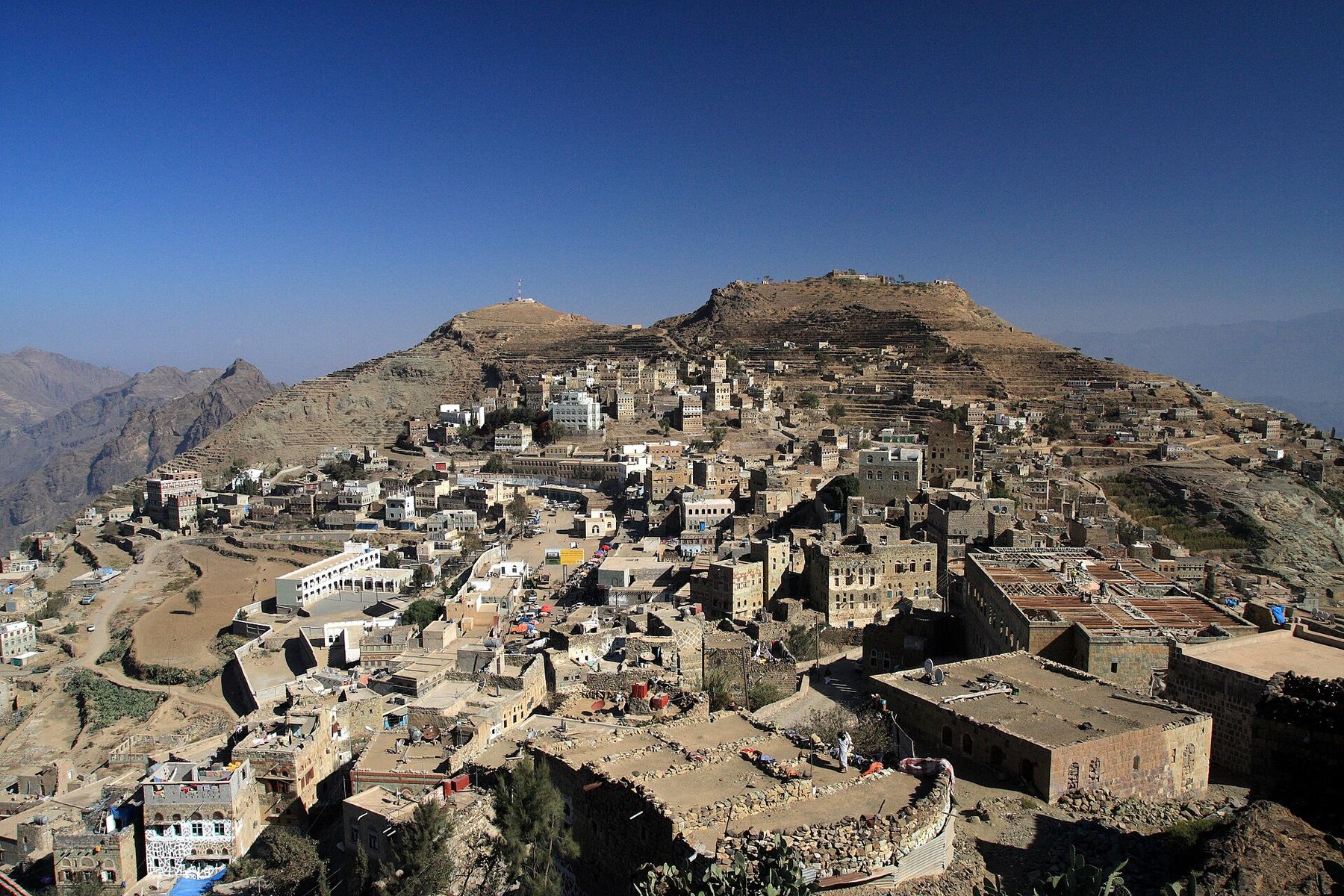
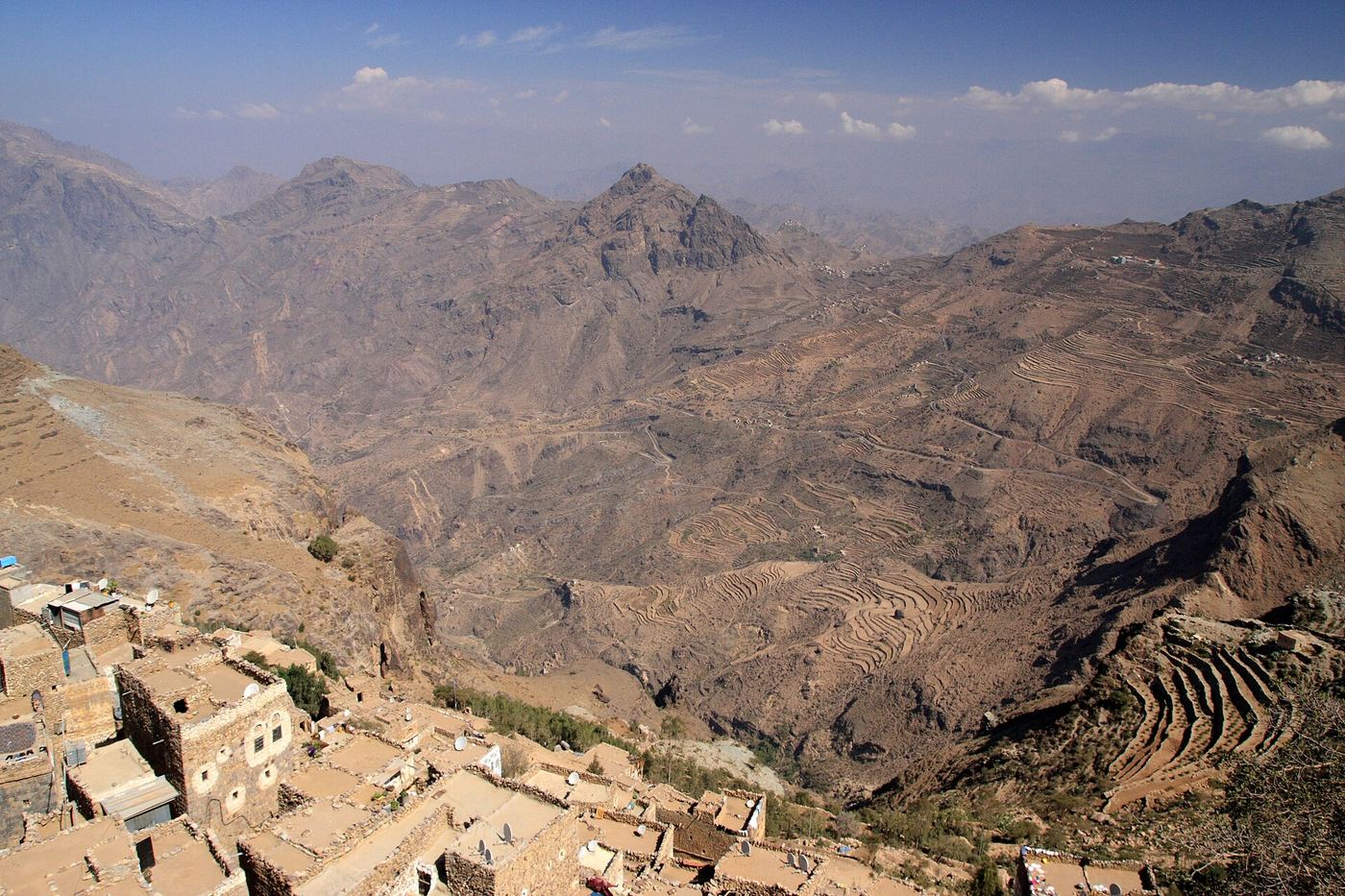
The stone town of Manakhah on a ridge in the Haraz mountains of Yemen
Manakhah, Haraz, Yemen1,800 m
how it works
01

We buy one harvest, direct.

Whole lots from a named co-operative or family — cupped at origin, paid on shipment, never ninety days later.

02

We carry it carefully.

Hermetic bags, the short route, and an independent laboratory sheet for every jar of honey before it is sold.

03

We show you the ledger.

Roasted to order in California and sent with the numbers on the bag: what the farm got, what it cost to bring, what we keep.

The coffee

One harvest from each coast.

No blends and no year-round house roast. Each coffee is one crop from one named place, roasted within days of your order and gone when the harvest is gone.

Stone village of Hajarah on a ridge in the Haraz mountains, Yemen
Haraz · Yemen

Haraz Natural

Dried fig, cocoa, cardamom, a long winey finish. The coffee that started coffee.

  • ProcessNatural, sun-dried
  • Altitude1,800–2,400 m
  • HarvestOct–Feb
  • Grown byHaraz village families
$4510 oz · about $3.20 a cup
Reserve
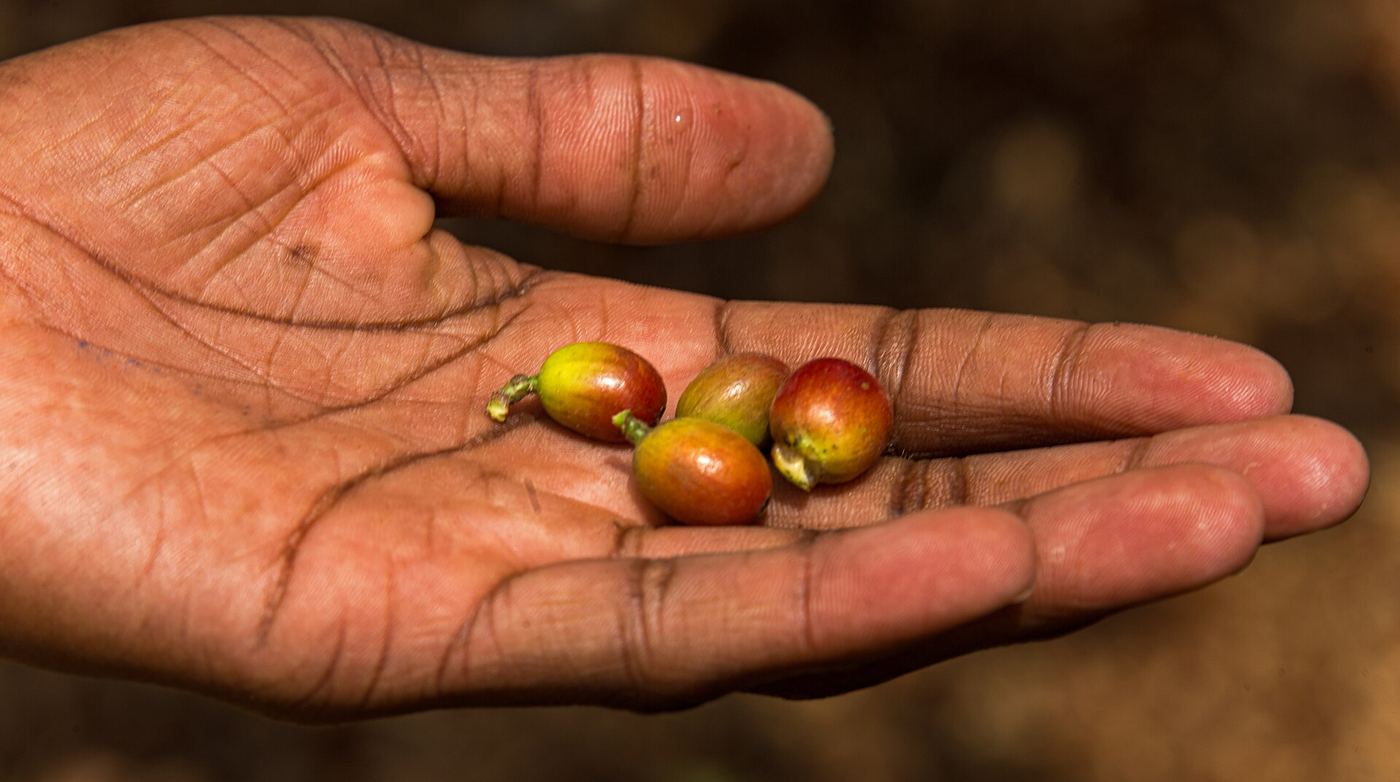
A hand holding freshly picked red coffee cherries in Kenya
Nyeri · Kenya

Nyeri AA

Blackcurrant, grapefruit, brown sugar. Bright, clean and unmistakably Kenyan.

  • ProcessWashed
  • Altitude1,700–1,900 m
  • HarvestOct–Jan
  • Grown bySmallholder co-operative
$2212 oz · about $1.30 a cup
Reserve
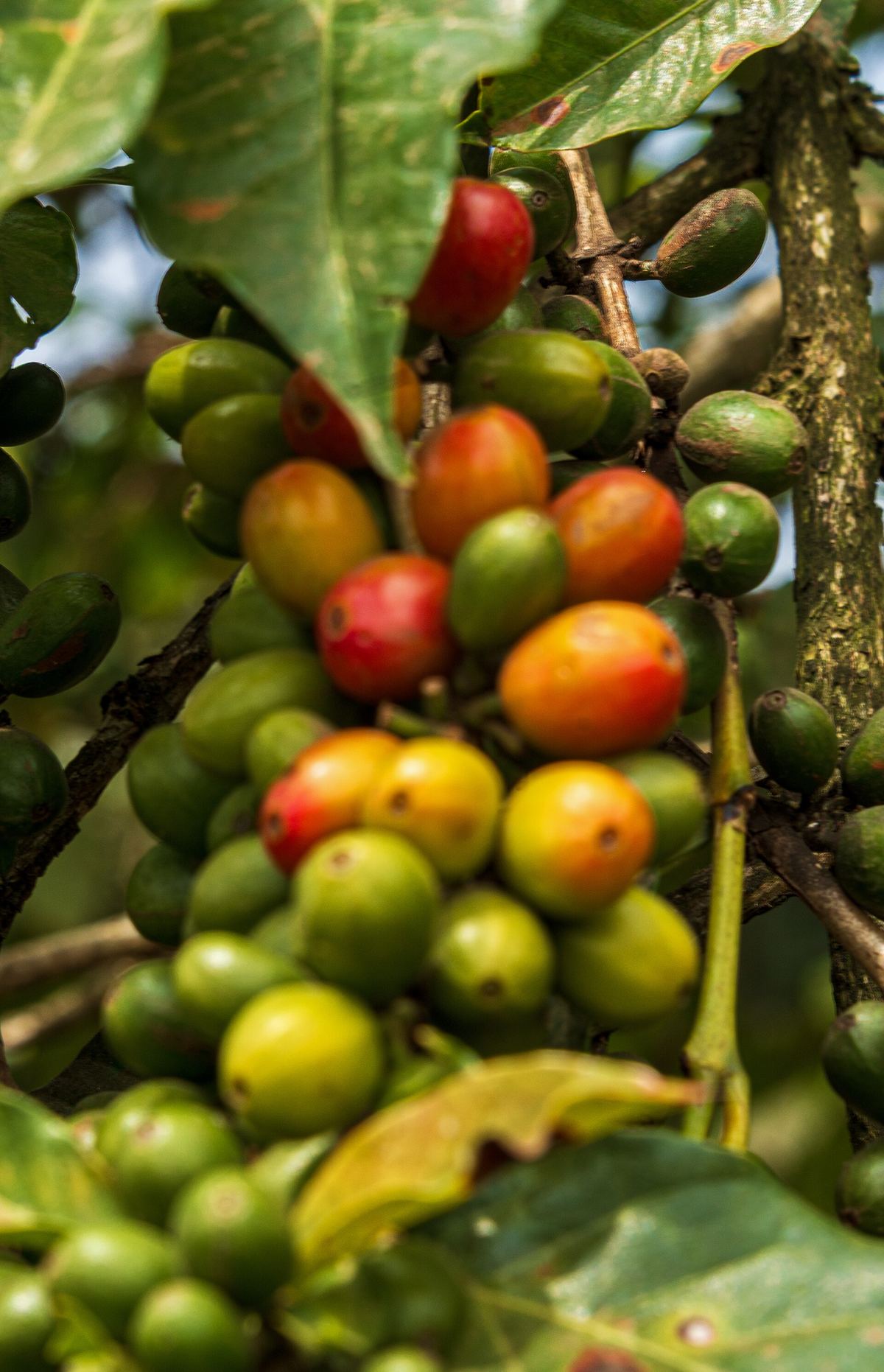
Ripe red coffee cherries on a branch in Uganda
Mount Elgon · Uganda

Sipi Washed

Milk chocolate, red apple, honey. Round and generous — the everyday cup.

  • ProcessWashed
  • Altitude1,600–1,900 m
  • HarvestSep–Jan
  • Grown byMount Elgon smallholders
$1912 oz · about $1.10 a cup
Reserve

Three-coast set, one bag of each — $79 · Harvest subscription saves 10%, pause or cancel any time.

The ledger

Every bag shows what we paid.

Our community has traded honestly for centuries because the ledger was always open. Ours is too: what the farm received, what it cost to bring here, and what we keep.

  • Bought direct, paid in fullWhole lots from named co-operatives and families, paid on shipment.
  • Cash, never creditNo loans with interest, no buy-now-pay-later. We grow at the speed of what we have sold.
  • One harvest at a timeWhen a crop sells out, the ledger closes and the next one opens with new numbers.
per bagNyeri AA 12 ozHaraz 10 oz
Paid at origin (green coffee)$5.70$18.90
Export, freight, customs$0.60$2.40
Roasting, bag, label$2.80$2.80
Packing and payment fees$2.30$3.00
Zeyn keeps$10.60$17.90
Your price$22$45

Draft figures from current importer and auction prices, October 2026. Replaced by the real invoice numbers of each lot when it lands.

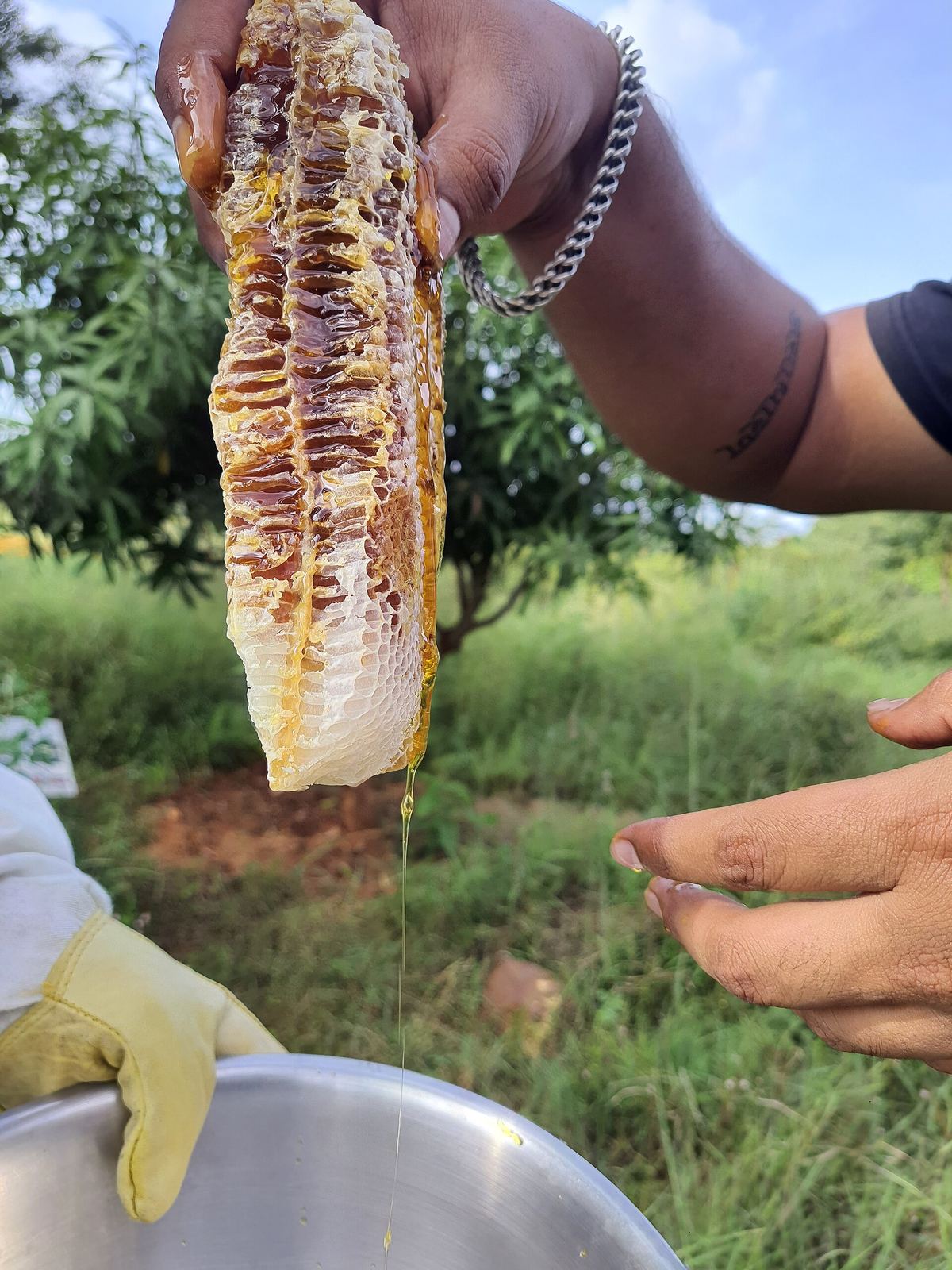
Fresh honeycomb dripping with dark honey
Sidr comb, late NovemberHadramaut
The honey

Sidr, from the wadis of Hadramaut.

Once a year the Sidr trees bloom for a few weeks and the bees of Wadi Do'an make the most sought-after honey in the Arab world. We buy it by named valley and harvest date, and every lot travels with its laboratory sheet.

  • Do'ani SidrWadi Do'an · single valley · the top of the harvest$85 / 250 g
  • Hadrami SidrWadi Hadramaut · deep amber, dried fig and resin$55 / 250 g
  • SumurAcacia blossom · lighter, woody, less sweet · spring harvest$38 / 250 g
The lab sheet. Each lot is tested for origin and purity — NMR profile, pollen count, C4 sugar screen, HMF and moisture — by an independent laboratory. The results sit under the QR code on every jar. We make no health claims; the honey speaks for itself.
Origins

The route our families have sailed for 400 years.

From the Red Sea coast of Yemen, down the Swahili coast to Mombasa and inland to the highlands. Traders from our community have worked this triangle since the age of the dhow. We are carrying coffee and honey along it again — this time, to America.

HARAZHADRAMAUTNYERIMT ELGONCALIFORNIA the old route, westward
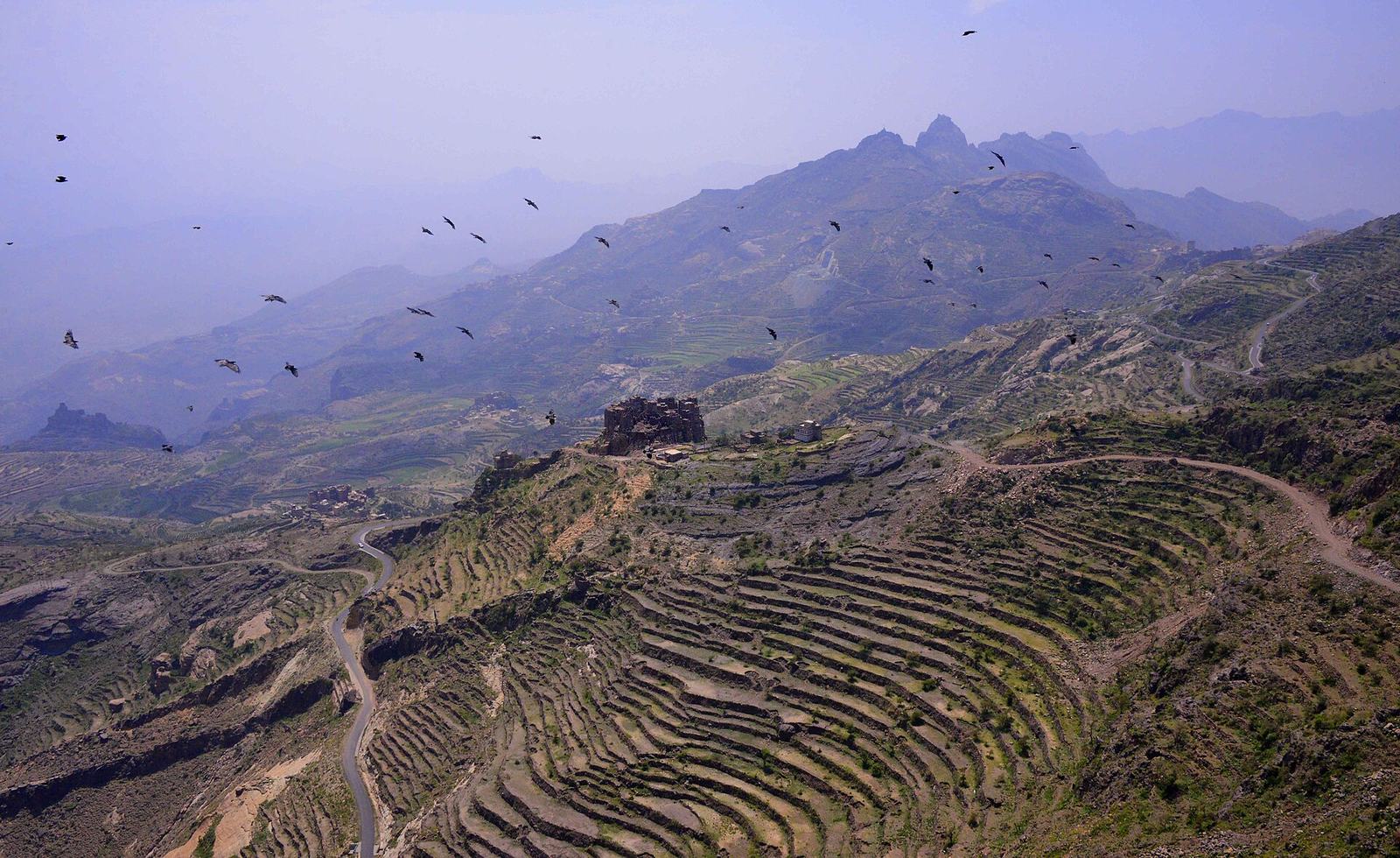
Terraced mountains of Haraz, Yemen
01 · YEMEN

Haraz & Hadramaut

Coffee on stone terraces above 1,800 m, where families have been replacing qat with coffee trees since the 1990s. Honey from the Sidr valleys of Hadramaut, harvested in a few weeks each autumn.

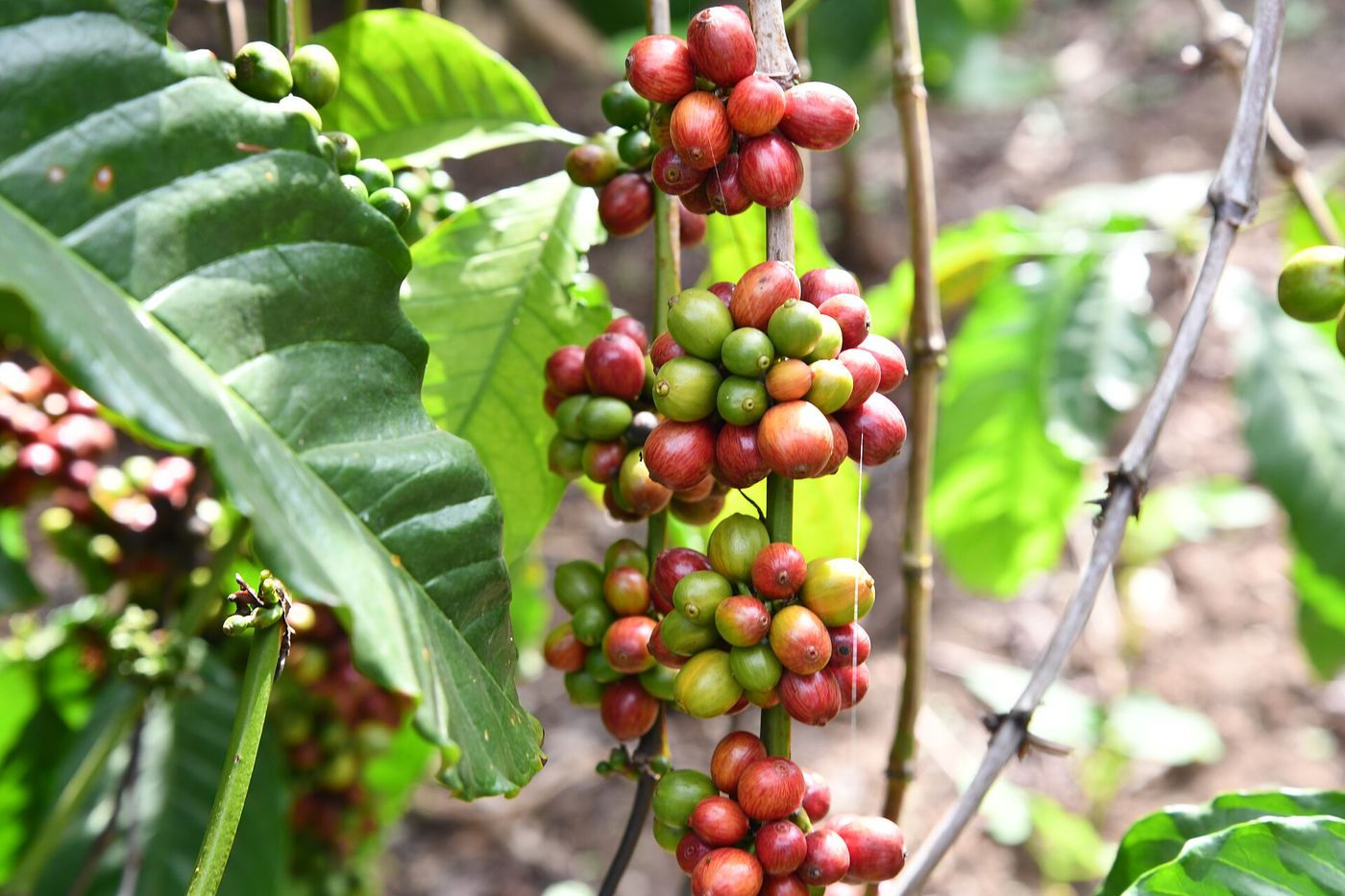
Coffee cherries ripening on a bush at a Kenyan estate
02 · KENYA

Nyeri & Kirinyaga

Smallholder co-operatives on the slopes of Mount Kenya, washed and sun-dried at their own factories. We cup the lots in Nairobi during the auction season and buy whole outturns.

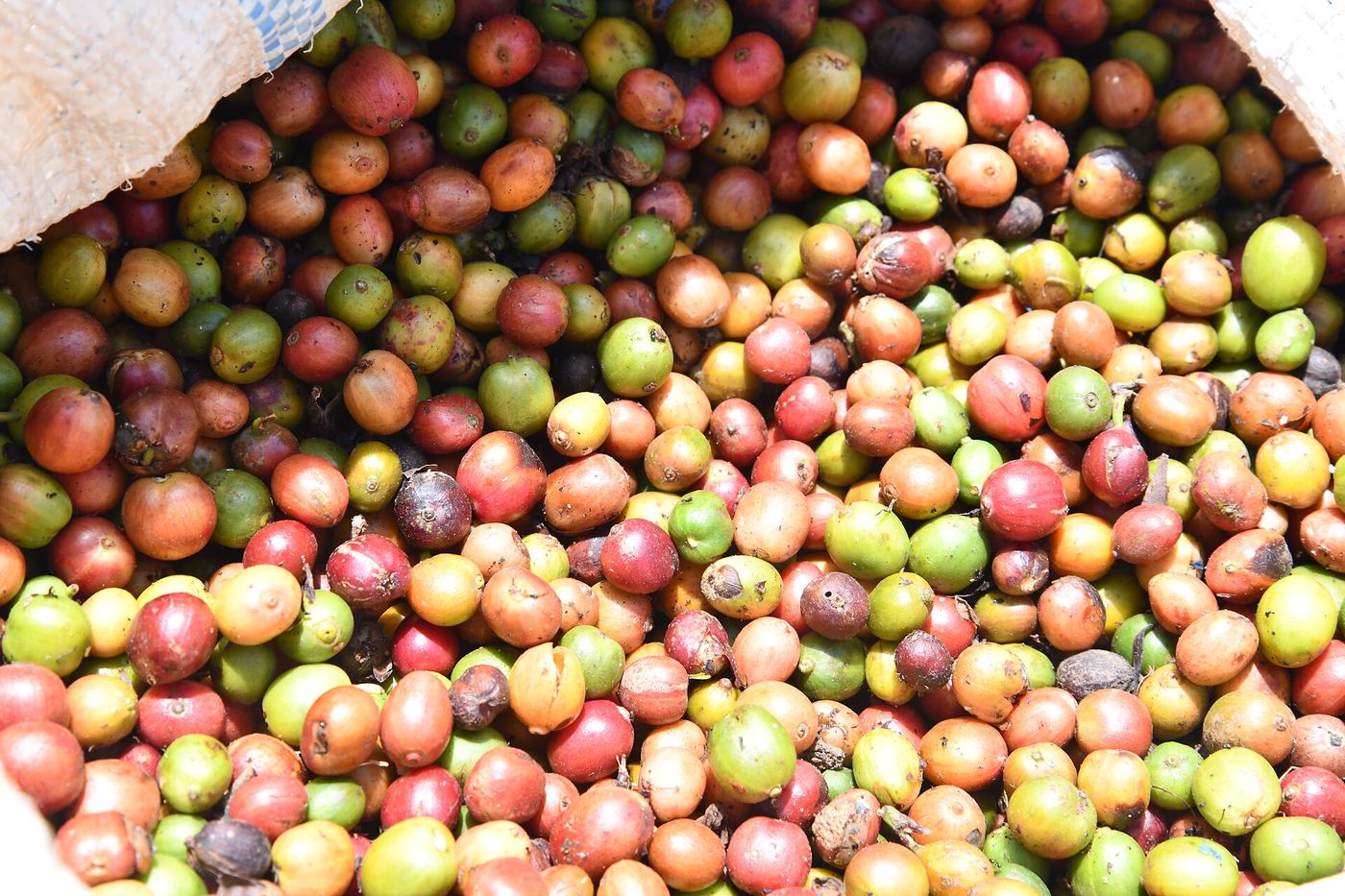
Freshly harvested coffee cherries in Uganda
03 · UGANDA

Mount Elgon

Washed Arabica from Sipi and Bugisu, bought through Kampala and railed to Mombasa. The most generous cup on the route, and the most affordable.

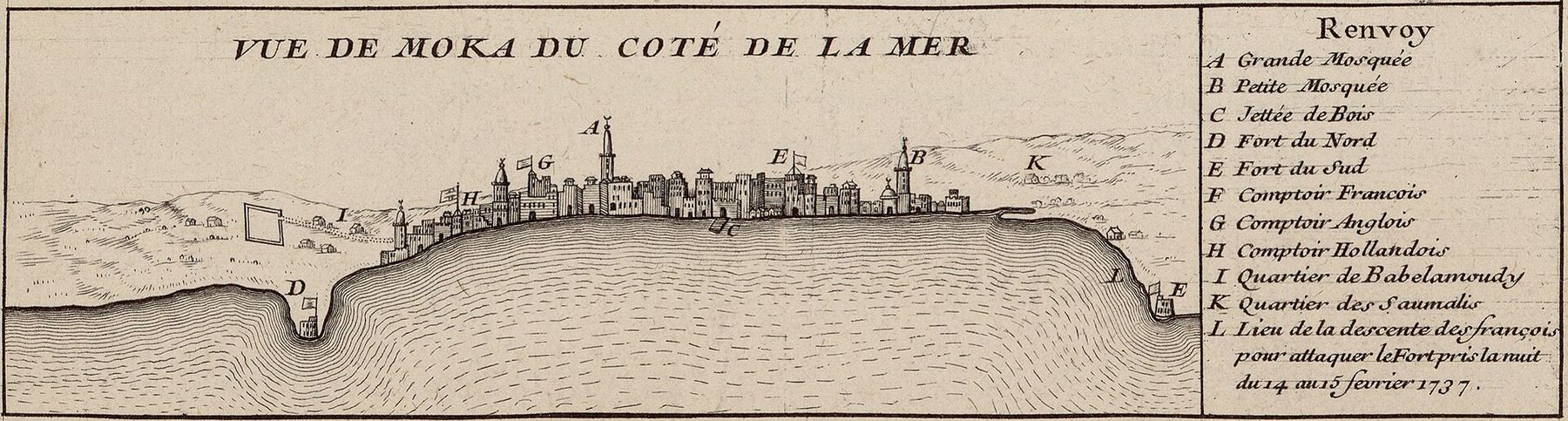
Engraving of the port of Mocha, Yemen, seen from the sea in 1737
Mocha, Yemen, from the sea, 1737 — the port that gave the world a word for coffee.
Our story
“Ply your trade according to the demands of this day and age.”
A teaching our founder grew up with

Zeyn was started by a young trader raised between Nairobi and the old trading towns of the Indian Ocean, from a community whose name — Bohra — literally means merchant. The idea is old and simple: find the best thing a place makes, pay its people properly, carry it carefully, and tell the truth about the price.

We begin with coffee and honey because they are the two things our three coasts do better than anywhere on earth, and because nobody is bringing them together, honestly, to the American table.

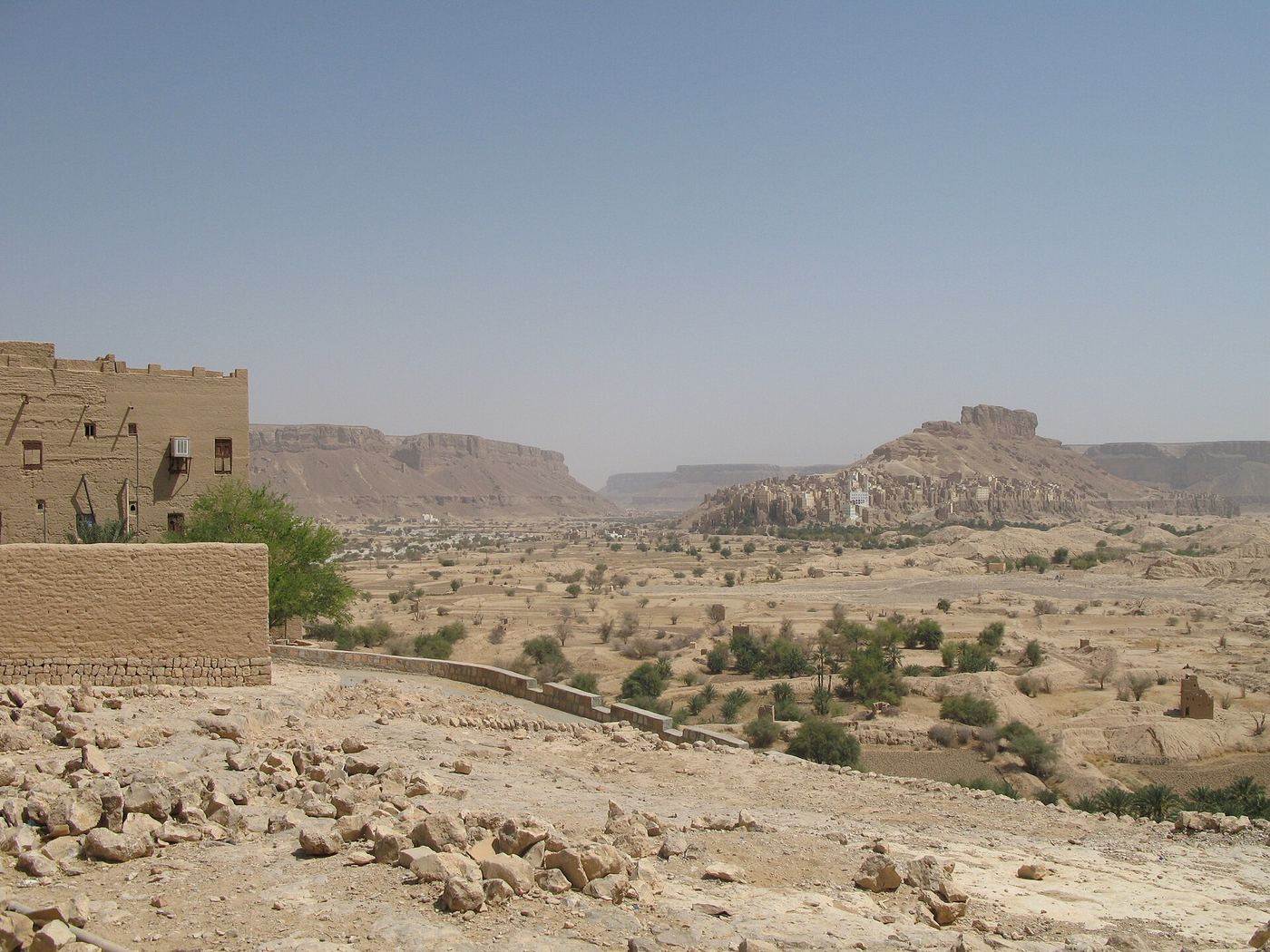
Mud-brick towns along Wadi Do'an in Hadramaut, Yemen
Wadi Do'an, HadramautSidr country
Harvest release

The first harvest lands this winter.

Join the list for 10% off your first order. You'll hear first when the Haraz, Nyeri and Sipi lots arrive, see the real ledger before anyone else, and get the first jars of this year's Sidr before Ramadan.

No spam. One note per harvest, and a word when the ledger changes.
Questions

Plainly answered.

Where exactly does the coffee come from?

Each bag names its place: the Haraz mountains of Yemen, a smallholder co-operative in Nyeri, Kenya, and the Sipi slopes of Mount Elgon, Uganda. We buy whole lots from a named co-operative or family and print the lot on the bag.

Why is the Yemeni coffee so much more expensive?

Because the farms are tiny, the terraces are hand-worked, the yields are low and the journey out of Yemen is long. The ledger shows the green coffee alone costs us more than three times a Kenyan lot. We price it so the farm is paid properly and we keep a fair share — not more.

Is the honey really Sidr?

Every lot is tested by an independent laboratory for origin and purity before it is jarred, and the results sit under the QR code on the jar. If a lot fails, it is not sold as Sidr.

Is everything halal?

Yes, by nature. Coffee and honey are single ingredients with nothing added. We use no flavourings, alcohol-based extracts or additives of any kind.

Where do you ship from, and how fast?

Orders ship from California within one to three business days. Shipping is a flat $10 in the US and free over $100.

Wholesale

For cafés, grocers and gifting.

Yemeni coffeehouses, halal grocers, hotels and corporate gifting — write to us with what you have in mind. Wholesale buyers see the same ledger you do.